
Decisions are temporary.
Every decision we make is based on what we know at the time. Being wrong later doesn’t mean we were foolish then. Knowledge has an expiration date. The world changes, context shifts, and assumptions that were solid last year may not hold today. That is not a failure. It is how things are.
What matters is what you do when you realize a decision isn’t working. Some people know something is wrong and stay with it anyway - to avoid admitting they were wrong, to protect their reputation, to not rock the boat. That is the real failure.
At PIRATE, we change course when the evidence tells us to. We won’t let ego get in the way of reversing a decision.
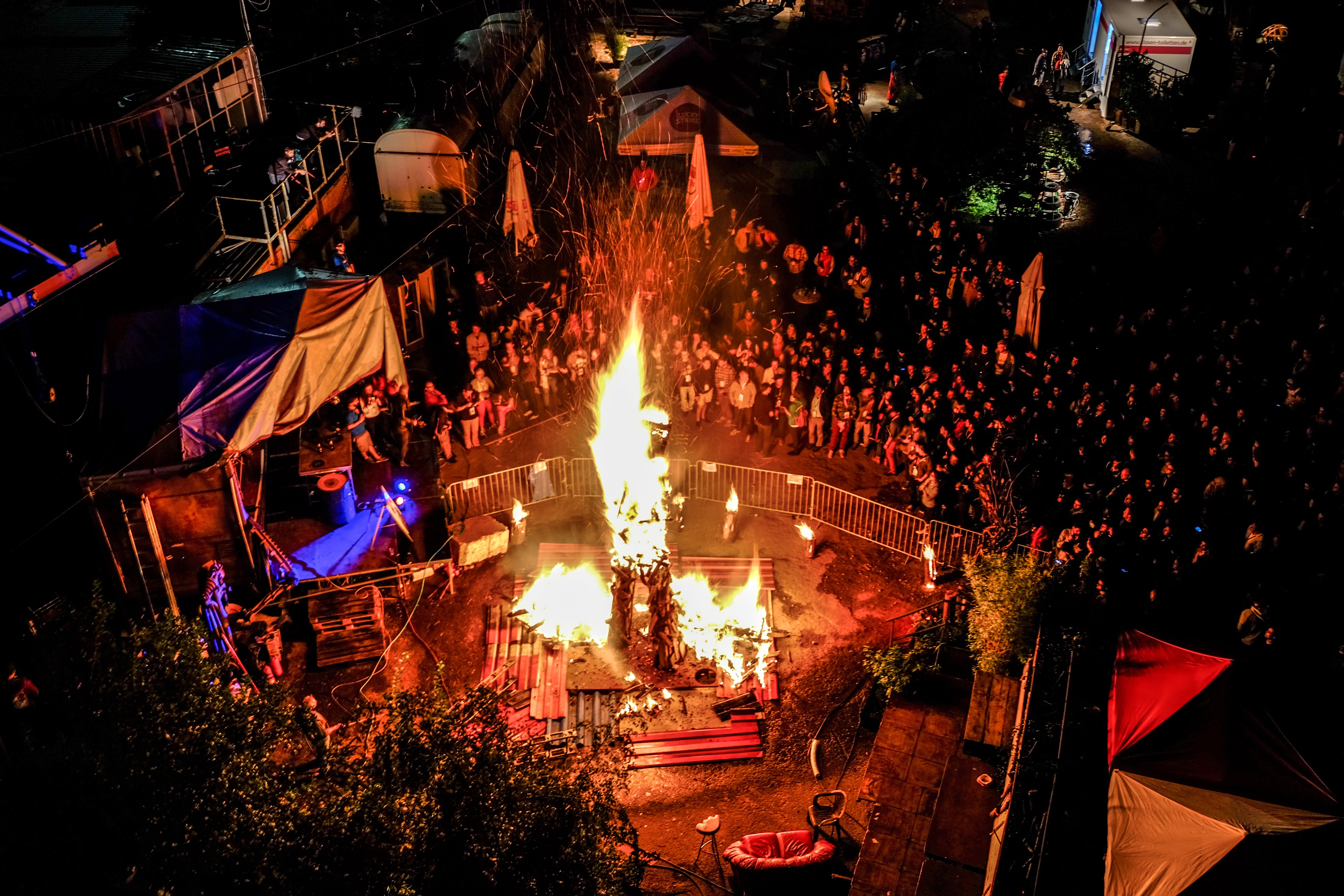
In most cultures, changing your mind is seen as weakness. Inconsistency. Flip-flopping. We see it the other way. Changing your mind in response to new information is not weakness. It is intelligence. The person who never changes their position despite mounting evidence is not strong. They are stuck.
There is a difference between conviction and stubbornness. Conviction is holding a view because you believe it is right. Stubbornness is holding it because you don’t want to be wrong. Only one of those is useful.
Decisions being temporary doesn’t mean they are made carelessly. You still commit fully while a decision is live - the commitment is real and total. But it comes without ego attached. If something better emerges, you adapt. That freedom - to decide, commit, and then genuinely revise without loss of face - is what makes it possible to move fast and stay honest at the same time.